
中高等部
G7-『材料』が未来を変える ― ミシュランと学ぶ、持続可能なものづくり ―Materials That Shape the Future ~Learning Sustainable Manufacturing with Michelin~
G7(Grade 7)の技術では、「材料加工の技術」をテーマに、身の回りの製品に使われている材料の特徴や、材料を生かしたものづくりについて学習しています。今年度は「廃材をアップサイクルし、生活や社会の課題を解決する製品を設計・製作する」ことをユニットのゴールとして探究を進めています。
その導入として、日本ミシュランタイヤ株式会社の皆様をお招きし、材料研究や環境への取り組みについて特別講演を行っていただきました。
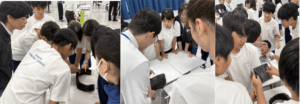
講演では、タイヤに使われているさまざまな材料や、それぞれの役割について紹介していただきました。実際にタイヤに使用されている素材に触れながら、異なる材料を組み合わせることで高い強度や性能を実現していること、さらに構造や組み方を工夫することで必要な方向に強度を持たせることができることなど、最先端の材料技術について学ぶことができました。
また、リサイクル材料とリニューアブル(再生可能)材料の違いや、環境負荷を低減するための研究・開発についてもお話しいただきました。特に、「自分たちが生きている間に資源を循環させることのできる材料を活用する」という考え方は、生徒にとっても新しい視点となり、持続可能な社会の実現に向けて材料選択が果たす役割について考えるきっかけとなりました。
今回の講演を通して、生徒たちは「材料にはそれぞれ異なる特性があり、目的に応じて適切に選択・組み合わせることが大切であること」や、「ものづくりには性能だけでなく、環境や資源循環への配慮も欠かせないこと」を学びました。
今後の授業では、今回学んだ材料の特性や構造、環境への視点を生かしながら、廃材を活用したアップサイクル製品の設計・製作に取り組んでいきます。どの材料を選び、どのような構造にすれば目的を達成できるのか、さらにその材料はどのようにリサイクルされるのかという視点も取り入れながら、生徒一人一人がより良いものづくりについて探究していきます。
最先端の材料研究や環境への取り組みについて直接お話を伺うことができた今回の講演は、生徒にとって、教科書だけでは得られない貴重な学びの機会となりました。日本ミシュランタイヤ株式会社の皆様に心より感謝申し上げます。
In Grade 7 Design, students are studying materials processing technology, exploring the properties of different materials and how they are used to create products that support our daily lives. This year’s unit challenges students to design and create an upcycled product using waste materials to help solve problems in everyday life and society.
As an introduction to the unit, we welcomed engineers from Michelin Japan, who delivered a special lecture on materials research and environmental sustainability.
During the session, students learned about the wide variety of materials used in tires and the important role each material plays. They had the opportunity to examine actual tire materials and discovered how combining different materials can improve strength and performance. Students also learned that the arrangement and structure of these materials are carefully designed to achieve strength in specific directions, providing valuable insight into modern materials engineering.
The speakers also introduced the concepts of recycled materials and renewable materials, as well as Michelin’s research and development efforts to reduce environmental impact. One idea that particularly impressed the students was the importance of using materials that can be recycled within our own lifetime. This perspective encouraged them to think more deeply about sustainable resource use and the role of material selection in creating a better future.
Through this lecture, students learned that every material has unique properties and that selecting and combining materials appropriately is an essential part of engineering design. They also recognized that successful product design requires not only functionality and performance, but also consideration for the environment and resource sustainability.
In the coming weeks, students will apply what they learned by designing and creating upcycled products from waste materials. They will investigate which materials are most suitable for their designs, how different structures affect performance, and how the materials they choose can be recycled in the future. These experiences will help them develop creative and sustainable solutions through the design process.
This special lecture provided students with a valuable opportunity to learn directly from professionals working at the forefront of materials research and sustainable innovation. We sincerely thank Michelin Japan for inspiring our students and supporting their learning journey.